
The Employer’s Blind Spot: How Pharmacy Trend Inflation Is Undermining Cost Control
October 29, 2025
There’s a new kind of inflation employers aren’t modeling for, and it’s not medical, wage, or CPI. It’s pharmacy inflation. Over the last few years, prescription drug costs have quietly become one of the most significant and least understood drivers of employer healthcare spending.
GLP-1 Drugs: The Weight-Loss Revolution Driving Pharmacy Inflation
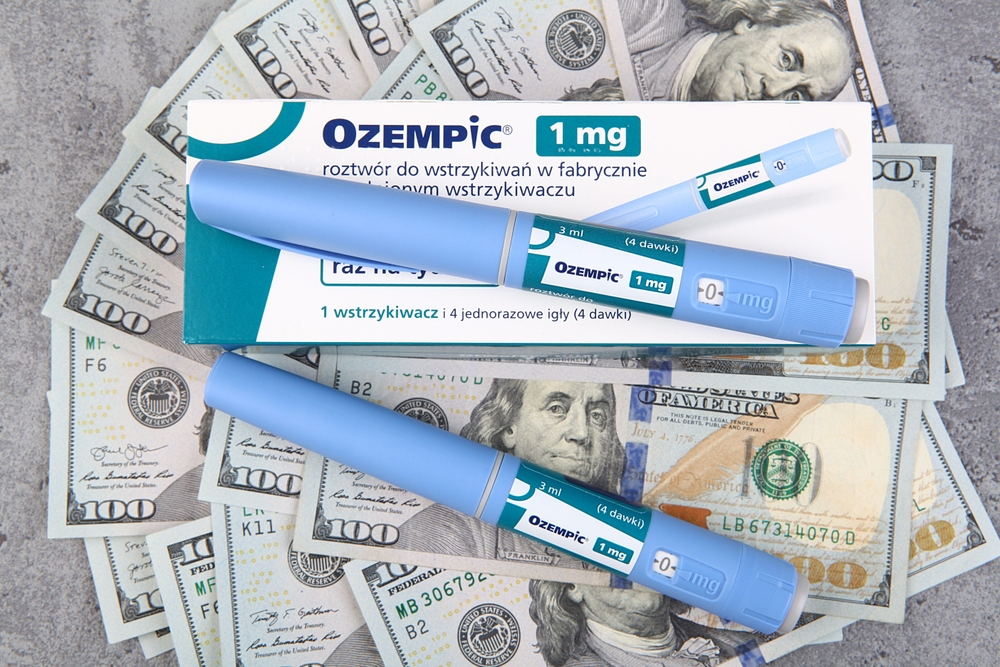
GLP-1 medications like Ozempic, Wegovy, and Mounjaro were originally designed to manage diabetes, but they’re now being prescribed across broad populations for weight loss. Their clinical results are impressive, but they’ve created a massive new cost driver in self-funded health plans.
At roughly $1,000 to $1,200 per month per member, even limited adoption can push a group’s pharmacy trend up by double digits. In some cases, we’ve seen pharmacy costs climb from about 20 percent of total plan spend to nearly 30 percent within two renewal cycles. This is the sort of shift that fundamentally changes the structure of an employer’s healthcare budget.
Specialty Drugs: The Hidden Majority of Employer Pharmacy Spend
But GLP-1s are just one piece of a larger trend. Specialty medications, like infused and injected therapies for autoimmune conditions, cancer, or rare diseases, have been rising quietly for years and now make up the majority of total Rx spend.
They’re often concentrated among less than 2 percent of plan members, yet they account for well over half the total cost. The emergence of gene therapies costing millions per treatment only adds to the volatility. When one member can swing total pharmacy claims by six or seven figures, the traditional way of projecting trend and setting reserves starts to fall apart.
Why Rebates and Discounts Don’t Stop Pharmacy Cost Growth
Most employers assume their pharmacy benefit manager has these costs under control through rebates and manufacturer discounts. In practice, that’s almost never true. Rebates are often calculated off list prices and don’t reflect the net cost the plan pays. They look good in reports, but they often mask the real inflation that’s happening underneath. Even when rebate guarantees deliver 10 percent or more in savings, GLP-1 and specialty trend growth can easily outpace that two or three times over. It’s like running up a down escalator, you’re working harder every year just to stay in place.
The Problem with Treating Pharmacy Spend as One Line Item
The bigger issue is how pharmacy risk is modeled. Too many employers still treat pharmacy as a single line item with a single trend assumption (usually somewhere between 9 and 11 percent). But pharmacy is no longer one category, it’s three separate markets moving at completely different speeds. Weight-loss and GLP-1 drugs are skyrocketing, specialty drugs are climbing steadily, while traditional maintenance medications are relatively stable. Combining them into one average number hides the real problem areas and leads to poor forecasting.
Modeling Pharmacy Trend by Category: A Smarter Way to Manage Risk
A more effective approach is to model pharmacy trend by category. That means separating out GLP-1 utilization, isolating specialty therapies, and treating maintenance drugs as their own stable baseline. Once you do that, it becomes much easier to identify where intervention actually moves the needle.
Employers can run scenarios to test the impact of tightening prior authorization, adding step therapy requirements, carving out certain drug classes, or introducing point solutions that target high-cost categories. The insights from that modeling can guide funding decisions, contribution strategy, and even plan design changes well before renewal season begins.
How Employers Can Gain an Advantage with Data-Driven Pharmacy Modeling
As we head into 2026, employers that adapt their modeling approach will have a major advantage. Pharmacy has become the most unpredictable and fastest-growing portion of total health spend, and the financial stakes are only getting higher. The employers who start treating pharmacy trend as a dynamic, data-driven risk will be the ones who maintain control of their budgets instead of reacting to sticker shock after the fact.